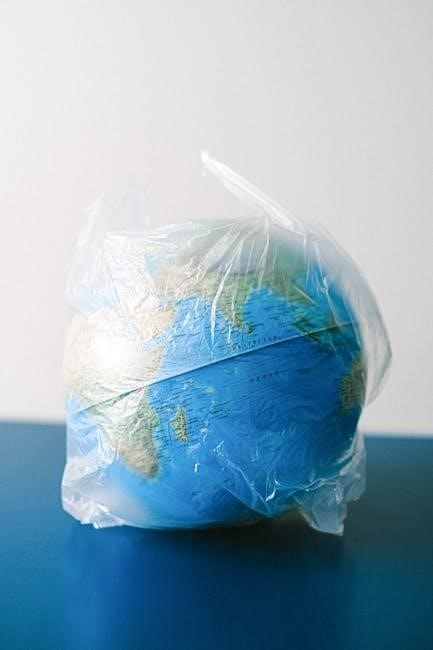
Geopolitics, examining the interplay of geography and power, is crucial for understanding today’s dynamic world; tools like circle cutters aid creative projects․
Defining Geopolitics and its Evolution
Geopolitics traditionally focused on states, but now encompasses non-state actors and transnational issues․ Initially, it analyzed geographical influences on political power, evolving to incorporate economic, technological, and ideological factors․ Modern geopolitics, like crafting circles with precision tools, demands a nuanced understanding of interconnected global systems․ The field’s evolution reflects a shifting world order, moving beyond simple territorial control to encompass resource security, data flows, and ideological competition—a complex interplay requiring adaptive strategies․
Historical Roots of Contemporary Geopolitical Issues
Historical forces—colonial legacies, Cold War dynamics—shaped today’s geopolitical landscape, influencing borders, alliances, and conflicts, much like precise circle-cutting tools․
The Legacy of Colonialism and Imperialism
Colonialism and imperialism profoundly impacted the modern world, establishing artificial borders and exploiting resources, fostering lasting political and economic inequalities․ These historical power dynamics continue to fuel conflicts and shape international relations today, creating instability in many regions․ The scramble for Africa and Asia left a complex web of dependencies and resentments, mirroring the precision needed for crafting projects with tools like circle cutters․
The Impact of the Cold War
The Cold War dramatically reshaped the geopolitical landscape, dividing the world into opposing blocs and triggering proxy conflicts across the globe․ This era fostered an arms race and ideological struggle, leaving a legacy of mistrust and geopolitical tensions that persist today․ Like carefully cutting circles with a precision tool, the Cold War’s impact requires detailed analysis․

Key Actors in the Current Geopolitical Landscape
Nation-states, international organizations, and increasingly, non-state actors, shape the modern geopolitical arena, demanding a nuanced understanding, much like precise circle cutting․
The United States: Maintaining Superpower Status
The United States continues to wield significant influence through its economic strength, military capabilities, and cultural reach, though facing challenges from rising powers․ Maintaining this status requires navigating complex alliances and addressing domestic concerns․ Like skillfully utilizing a circle cutter for precise shapes, the US must adapt its strategies to remain effective in a shifting global order, balancing power projection with diplomatic engagement and economic stability․
China’s Rise and Global Ambitions
China’s rapid economic growth and increasing military modernization are reshaping the geopolitical landscape, presenting both opportunities and challenges․ Its Belt and Road Initiative exemplifies its expanding global influence, mirroring the precision of a circle cutter creating defined forms․ Balancing regional aspirations with international norms will be crucial as China seeks a greater role in global governance and security structures․
The Role of Russia in a Multipolar World
Russia, possessing significant energy resources and military capabilities, remains a key player in a shifting global order, much like a precise tool defining boundaries․ Asserting its interests in its near abroad and beyond, Moscow navigates a complex relationship with the West․ Its actions contribute to a more multipolar world, challenging existing power dynamics and norms․

Major Geopolitical Hotspots
Critical regions—like the Indo-Pacific and Eastern Europe—experience intense competition and conflict, demanding careful analysis, similar to crafting precise circles with specialized tools․
The Indo-Pacific Region: A Center of Competition
The Indo-Pacific has emerged as a primary arena for great power rivalry, particularly between the United States and China, fueled by economic interdependence and strategic concerns․ Territorial disputes in the South China Sea, coupled with increasing military presence, heighten tensions․ Like meticulously cutting circles, navigating this region requires precision and understanding of complex dynamics, involving numerous actors and shifting alliances, impacting regional stability and global trade flows․
Eastern Europe and the Russia-Ukraine Conflict
Eastern Europe, specifically the Russia-Ukraine conflict, represents a critical geopolitical flashpoint, reshaping European security architecture․ Rooted in historical grievances and geopolitical ambitions, the conflict demonstrates the limits of international institutions․ Much like carefully crafting circles with a cutter, resolving this crisis demands nuanced diplomacy, acknowledging complex historical layers, and balancing competing interests to prevent wider escalation and instability․
The Middle East: Ongoing Instability and Conflict
The Middle East remains a cauldron of geopolitical tensions, fueled by sectarianism, resource competition, and external interference․ Similar to precisely cutting circles, navigating this region requires understanding intricate power dynamics and historical contexts․ Conflicts, like those involving circle cutters and various materials, demonstrate fragility․ Resolving instability necessitates inclusive governance, regional cooperation, and addressing root causes of conflict․
Emerging Trends Shaping Geopolitics
New trends – non-state actors, climate change, and technological disruption – are reshaping the geopolitical landscape, demanding adaptive strategies and precise analysis․
The Rise of Non-State Actors
Traditionally, geopolitics focused on states, but now non-state actors – multinational corporations, NGOs, and even criminal organizations – wield significant influence․ These entities operate across borders, impacting economies and security․ Their power challenges traditional state sovereignty, creating complex dynamics․ Consider circle cutters, tools empowering individual creativity, mirroring this shift towards decentralized influence․ Understanding their motivations and capabilities is vital for navigating the modern geopolitical arena, demanding new analytical frameworks․
Climate Change as a Geopolitical Driver
Increasingly, climate change acts as a fundamental geopolitical force, exacerbating existing tensions and creating new ones․ Resource scarcity, mass migrations, and extreme weather events fuel instability and conflict․ Competition for dwindling resources, like water, intensifies geopolitical rivalry․ Much like a precise circle cutter shapes materials, climate change reshapes the global landscape, demanding international cooperation and adaptive strategies to mitigate its disruptive effects on power dynamics․
Technological Disruption and Geopolitical Competition
Rapid technological advancements—in areas like artificial intelligence, cyber warfare, and space exploration—are fundamentally altering the geopolitical landscape․ These disruptions create new arenas for competition and challenge traditional power structures․ Similar to a circle cutter’s precision, technological dominance offers strategic advantages․ Nations vie for leadership, impacting global security and economic influence, necessitating careful navigation of this evolving, complex interplay between innovation and international relations․

Economic Interdependence and Geopolitical Rivalry
Global supply chains, while fostering interdependence, also create vulnerabilities exploited in geopolitical rivalries; precision tools, like circle cutters, demonstrate focused capability․
Global Supply Chains and Vulnerabilities
Contemporary global supply chains, intricately woven across nations, present significant vulnerabilities to geopolitical shocks․ Dependence on single sources, highlighted by recent disruptions, exposes weaknesses․ The weaponization of economic tools, like trade restrictions, further complicates matters, impacting resource access and industrial production․ Just as a precise circle cutter ensures clean edges, resilient supply chains require diversification and strategic redundancy to mitigate risk and maintain stability in a turbulent world․
The Weaponization of Economic Tools
States increasingly employ economic leverage – tariffs, sanctions, and investment controls – as instruments of foreign policy, blurring lines between economics and geopolitics․ This “weaponization” disrupts trade, destabilizes economies, and exerts political pressure․ Like a circle cutter precisely shaping materials, these tools are strategically deployed to achieve specific geopolitical objectives, demonstrating how economic interdependence can become a source of vulnerability and conflict in the international arena․

The Future of International Organizations
International bodies face challenges to relevance amid shifting power dynamics; adapting to multipolarity is key, much like a circle cutter’s adjustable blade․
The United Nations: Relevance and Limitations
The UN, despite its foundational ideals, struggles with geopolitical realities and great power competition, hindering effective responses to global crises․ Its structure, rooted in post-WWII dynamics, often faces limitations due to Security Council vetoes and uneven representation․
However, the UN remains a vital forum for diplomacy, peacekeeping, and humanitarian aid, offering a crucial platform for multilateral engagement – similar to a precise tool for crafting solutions․
Regional Organizations and Their Influence
Regional bodies, like the EU, ASEAN, and African Union, increasingly shape geopolitical landscapes, often responding more swiftly to localized challenges than global institutions․ They foster economic integration, security cooperation, and diplomatic initiatives within their respective areas of influence․
However, internal divisions and varying levels of capacity can limit their effectiveness, mirroring the precision needed for crafting solutions, like using a circle cutter․
Geopolitics and Resource Security
Resource control – energy, water, minerals – profoundly impacts state power and international relations, driving conflict and cooperation, much like precise cutting tools․
Energy Security and Geopolitical Leverage
Nations prioritizing energy independence wield significant geopolitical influence, impacting global markets and alliances․ Control over vital resources—oil, gas, renewables—provides leverage in international negotiations and allows states to project power․ Disruptions to energy supplies, whether through conflict or infrastructure vulnerabilities, can destabilize regions and reshape geopolitical dynamics․ Like a precise tool, energy security is fundamental to national strength and strategic maneuvering․
Water Scarcity and Potential Conflicts
Diminishing freshwater resources are increasingly recognized as a critical geopolitical stressor, exacerbating existing tensions and potentially sparking new conflicts․ Competition for access to water—across borders and within states—can fuel instability, particularly in arid and semi-arid regions․ Like carefully cutting circles, managing water resources requires precision and foresight to prevent escalating disputes and ensure sustainable access for all․
The Role of Ideology and Identity in Geopolitics
Nationalism and identity powerfully shape state actions and international relations, often overriding rational calculations; circle cutters reflect focused creative expression․
Nationalism and Populism
Nationalism, emphasizing national identity, fuels geopolitical tensions and protectionist policies, impacting global cooperation․ Populism, appealing to ‘the people,’ often leverages nationalist sentiment, challenging established institutions and international norms․ These forces reshape foreign policy, prioritizing domestic concerns and fostering an ‘us versus them’ mentality․ Like precise circle cutting, these ideologies demand focused application, potentially altering established patterns and creating new geopolitical realities․
The Clash of Values
Geopolitical competition increasingly reflects a clash of values – democracy versus authoritarianism, individual liberty versus collective control․ These ideological divides influence alliances, trade relationships, and even military interventions․ Similar to carefully crafting circles with a cutter, navigating these differences requires precision and understanding․ This fundamental conflict shapes international discourse and complicates efforts towards global consensus and cooperation, fostering instability․

Geopolitical Forecasting and Scenario Planning
Forecasting utilizes trend analysis and intelligence to predict outcomes, much like a circle cutter precisely defines shapes; anticipating shifts is vital․
Analyzing Trends and Predicting Future Outcomes
Geopolitical analysis demands meticulous observation of evolving power dynamics, resource competition, and ideological clashes—similar to carefully adjusting a circle cutter for precision․ Forecasting involves identifying key indicators, assessing potential disruptions, and constructing plausible scenarios․
This process isn’t about predicting the future with certainty, but rather preparing for a range of possibilities, acknowledging inherent uncertainties, and adapting strategies accordingly․ Like crafting diverse shapes, anticipating outcomes is crucial․
The Use of Intelligence in Geopolitical Analysis
Intelligence gathering – akin to precisely measuring for a circle cutter’s blade – is fundamental to informed geopolitical assessment․ This encompasses open-source information, human intelligence, and signals intelligence, requiring rigorous verification and analysis․
Effective intelligence minimizes biases, identifies hidden agendas, and reveals critical vulnerabilities․ It’s not merely about collecting data, but transforming it into actionable insights for policymakers navigating complex global challenges․

The Impact of Geopolitics on Global Governance
Geopolitical tensions significantly challenge multilateralism and international law, mirroring the precision needed when using a circle cutter for crafting․
International Law and Norms
International law, designed to regulate state behavior, faces increasing strain from geopolitical competition, often proving insufficient to address complex crises․ Norms are challenged by rising powers and shifting alliances, creating ambiguity․ Like carefully cutting circles with a precision tool, upholding these legal frameworks requires consistent effort and adherence, yet geopolitical realities frequently introduce deviations and reinterpretations, diminishing their overall effectiveness․
The Challenges of Multilateralism
Multilateralism, relying on cooperation through institutions, is hampered by diverging national interests and a resurgence of unilateral actions․ Great power competition undermines consensus, hindering effective responses to global challenges․ Similar to precisely cutting circles – requiring focused effort – multilateralism demands compromise, yet geopolitical tensions often prioritize national agendas, weakening collective security and shared problem-solving capabilities․

Geopolitics and Cybersecurity
Cyber warfare presents new dimensions of conflict, impacting national security and data control; precision tools, like circle cutters, mirror this focused digital struggle․
Cyber Warfare and National Security
Nation-states increasingly engage in cyber espionage, sabotage, and influence operations, blurring lines between peace and war․ Critical infrastructure, democratic processes, and economic stability are vulnerable targets․ Defensive capabilities, international cooperation, and establishing clear norms are essential․ Just as a precise circle cutter ensures clean edges, robust cybersecurity demands meticulous attention to detail and proactive measures to safeguard national interests in the digital realm․
The Geopolitics of Data
Data has emerged as a critical geopolitical asset, fueling economic growth, military capabilities, and societal control․ Nations compete to collect, store, and analyze vast datasets, raising concerns about privacy, security, and sovereignty․ Similar to carefully cutting circles with precision, controlling data flows and protecting sensitive information are vital for national power and influence in the 21st century․

Geopolitics and Space Exploration
Space is becoming a new arena for geopolitical competition, encompassing military applications, resource exploitation, and technological dominance, like precise circle cutting․
The Militarization of Space
The increasing presence of military assets in space represents a significant geopolitical shift, driven by concerns over vulnerability of satellite infrastructure․ Nations are developing anti-satellite weapons and enhancing space-based surveillance capabilities, escalating tensions․ This arms race extends beyond direct attacks, encompassing cyber warfare targeting space systems and the development of maneuverable satellites․ Like crafting precise circles, maintaining control in space demands skillful execution and strategic foresight, impacting global security dynamics profoundly․
Space as a New Frontier for Competition
Beyond military concerns, space is rapidly becoming a crucial arena for economic and technological competition․ Resource extraction – asteroid mining – and the establishment of space-based manufacturing facilities are attracting investment․ Similar to utilizing a circle cutter for diverse projects, nations vie for dominance in satellite constellations, launch capabilities, and space tourism․ This new frontier demands international cooperation, yet national interests often fuel rivalry, shaping the future of space exploration and utilization․

The Geopolitical Implications of Demographic Shifts
Demographic changes – aging populations and migration patterns – significantly impact national power, economic stability, and social cohesion, mirroring diverse crafting needs․
Aging Populations and Labor Shortages
Globally, declining birth rates and increased longevity create aging populations, straining social security systems and healthcare infrastructure․ This demographic shift leads to significant labor shortages, impacting economic growth and potentially fueling geopolitical competition for skilled workers․ Nations grapple with maintaining productivity amidst fewer working-age citizens, necessitating innovative solutions like immigration policies or automation – much like selecting the right tool for precise crafting, such as a circle cutter․
Migration and its Geopolitical Consequences
Large-scale migration, driven by conflict, economic disparity, and climate change, profoundly reshapes geopolitical landscapes․ Receiving nations face integration challenges and potential social tensions, while sending nations experience brain drain and demographic shifts․ Migration flows become tools – or targets – in statecraft, influencing international relations and security dynamics, similar to carefully cutting shapes with a precise circle cutter․
Adaptive strategies are vital for navigating an increasingly complex world, demanding nuanced understanding and proactive responses, much like precise crafting with tools․
The Need for Adaptive Strategies
A shifting global landscape necessitates flexible and innovative approaches to foreign policy and international relations․ Traditional methods prove insufficient when facing rapid technological advancements, climate change impacts, and the rise of non-state actors․
Successful navigation demands continuous assessment, scenario planning, and a willingness to abandon rigid doctrines․ Like skillfully utilizing a circle cutter for diverse projects, adaptability is key to thriving amidst uncertainty, fostering resilience and maximizing opportunities in a volatile world․